

Meet Dawn Sophia Ziemer
Dawn Sophia Ziemer is the Principal Interior Designer at KBZ Architects.
Born in Santa Barbara, Dawn graduated from California College of Arts and Crafts with a Bachelor of Interior Architecture.
After college, she gained experience at interior design firms in San Francisco and then London before returning to Santa Barbara in the early 1990s to join KBZ. She later obtained her LEED AP BD+C credential, reflecting her commitment to sustainable building design.
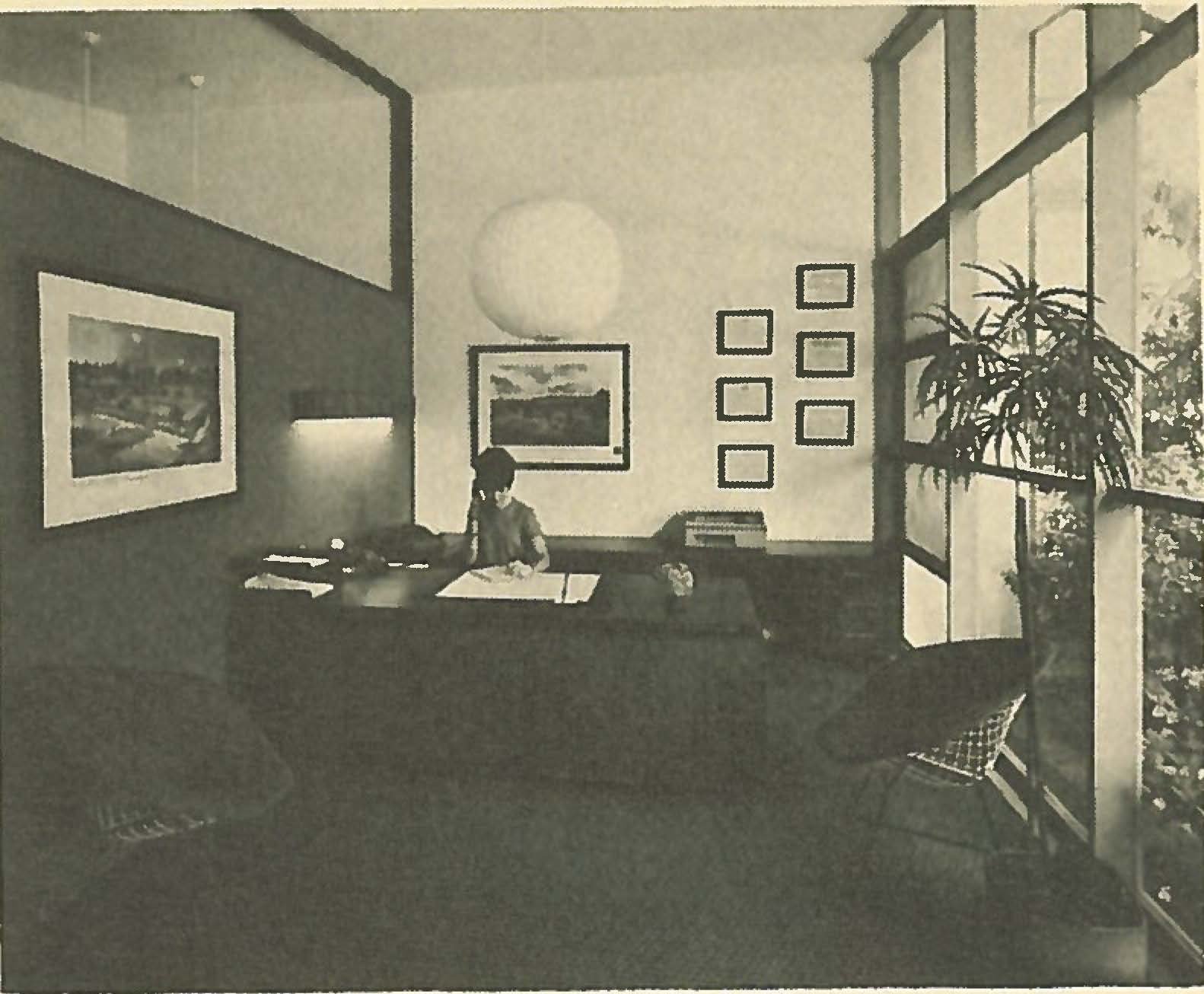
Original KBZ Architects Offices
What led you to begin your career in architecture?
My father, Donald Ziemer, was an architect who joined Ken Kruger and Don Bensen to form KBZ in 1960, so architecture, art, and design have always been an important part of my life. I was drawn to the decorative arts and love working with patterns and colors — but I also love observing and talking to people to understand how they use spaces. Everyone describes their relationship with space differently, and it’s deeply satisfying to interpret those needs and translate them into a design.
I also have fond memories of visiting construction sites with my dad as a child. I thought the round knockouts from electrical j-boxes looked like coins, so I collected them as “money.” I actually started working at KBZ as a teenager — changing the ammonia in the blueprint machine, driving plans around town to engineers’ offices, and learning to draft in pencil. It was a wonderful foundation.
What are the most memorable projects throughout your career?
Working alongside my father on projects will always hold a special place in my memory. I really enjoyed working with him on the Adams and Washington Elementary School Libraries — each has a unique look suited to its campus, and because the buildings were turn-key, the interiors played an important role in the outcome.
The Lobero Theatre renovation was particularly memorable. The challenge was to meaningfully improve the audience experience — through more comfortable seating, air conditioning, and lighting that highlights the building's beautiful detailing — without making any significant visual changes to the space. When you walk in, it still looks like the Lobero always has, but it definitely feels much better.
It was important to honor the design intent set by the original architects George Washington Smith and Lutah Maria Riggs. I felt a deep sense of responsibility to Lutah in particular — she also designed the KBZ office building, which I am now the proud owner of. That connection made the project feel especially personal.

Adams Elementary School Library

Washington Elementary School Library

Lobero Theatre Interiors
What awards, certifications, or achievements are you most proud of?
The recognition we've received from Santa Barbara Beautiful means a great deal to me. They are such an important contributor to the beauty of our city, and it was a thrill to be recognized for the Cabrillo Pavilion restoration, the Lobero Theatre renovation, and the Kiosk at the Marjorie Luke Theatre.
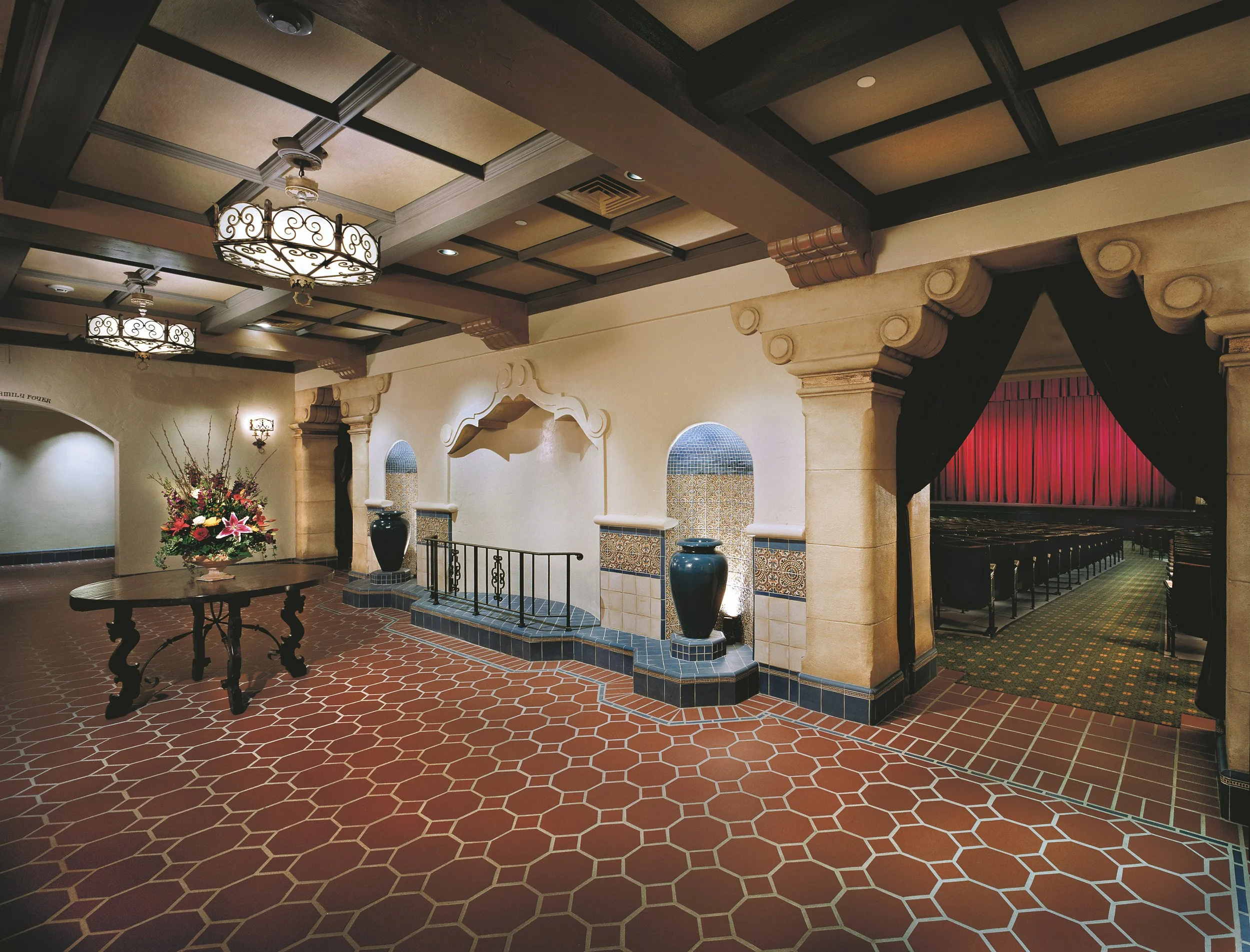
Marjorie Luke Theatre Interiors
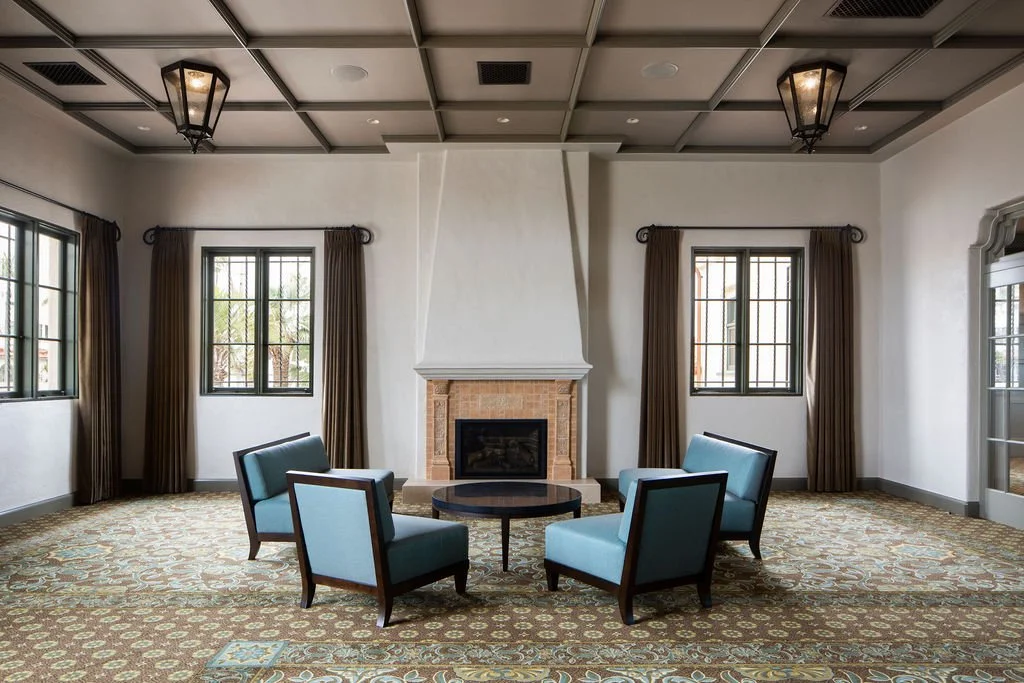
How has your work positively impacted the communities you serve?
Because we work primarily with public sector clients — school districts, cities, and counties — our projects directly support the communities where people live, work, and gather. A great example is the restoration of the Cabrillo Pavilion for the City of Santa Barbara, located right on the ocean's edge.
In 1924, the land and pavilion were financed by a major Santa Barbara benefactor to help guard against out-of-town developers who proposed commercial development along the ocean frontage. This facility was part of that early effort to provide the public with access to a space dedicated to recreation and enjoyment. Bringing that historic facility back to life helps reinforce and continue a longstanding commitment to the whole community. This kind of impact is what makes this work so meaningful.
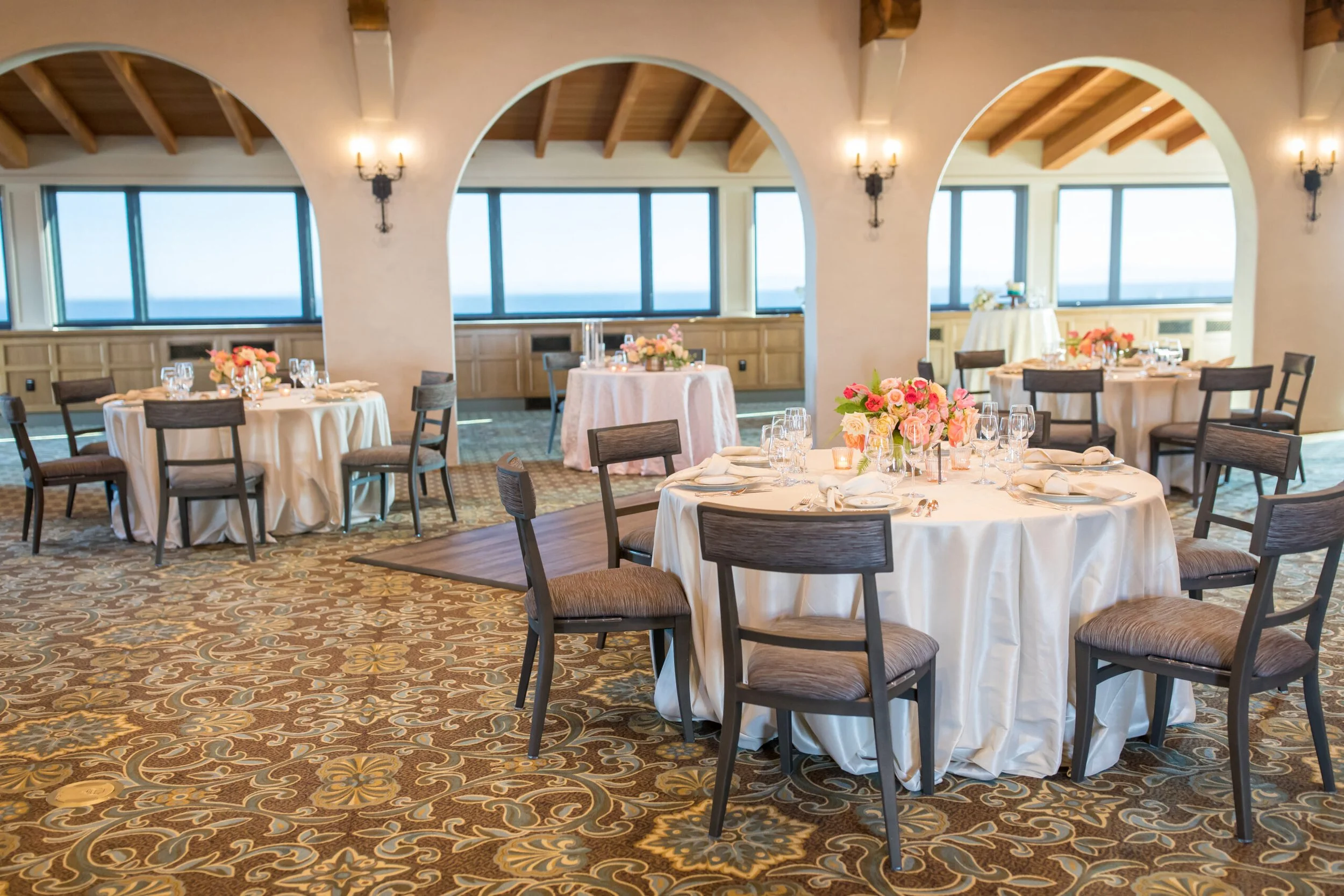
Cabrillo Pavilion Interiors